Biology, not farming, will feed the world – How Solar Foods is scaling its innovation to feed billions

INTERVIEW WITH: DR JUHA-PEKKA PITKÄNEN, CHIEF SCIENTIFIC OFFICER AND CO-FOUNDER OF SOLAR FOODS
Global food demand is rising constantly, while at the same time, land, water, and climate stability are increasingly constrained. As climate pressure mounts and traditional agriculture reaches its limits, a breakthrough is rapidly moving from theory into practice: making food without land use, farms, and animals, by converting gases into protein. A completely new way of producing food that is not only viable, but also very easily scalable.
At Solar Foods, our team has already turned theoretical insight into real-world action and is setting the standard for what that future of food production looks like. The production of our all-purpose protein Solein is easily scalable with minimal environmental impact, helping solve food security by building capacity instead of single product innovations.
Optimising traditional methods is not enough
As the global food challenge is getting more pressing, it is clear that incremental improvements to traditional food production methods help, but they do not scale fast enough, nor reduce resource use enough, to meet future demand. The global food challenge and feeding billions requires fundamentally different ways of producing food.
A recent report by McKinsey highlights the importance of adapting. According to the report, societies have adapted to their climates for millennia, with extreme weather shaping how people live. As the climate warms, exposure to heat and drought will increase the most. On current emissions trajectories, the world is expected to warm by 2°C compared with preindustrial levels by about 2050. This could expose an additional 2.2 billion people to heat stress and 1.1 billion more to drought. By contrast, coastal flooding would threaten just 40 million more.
Also noteworthy is the cost of protection against crises caused by the global warming: heat, wildfires, drought, and flooding. At 2°C, maintaining current protection levels would cost 2.5 times today’s spending, while protection at developed-economy standards would require 6.2 times as much. All of this also affects food production, increasing unpredictability and long-term risk and causing price volatility.
“The current food system reflects history, not optimal design. If we were starting from scratch today, we wouldn’t design a system so dependent on land, weather, and climate. The tools now exist to build something more resilient to help solve the global food challenge and feed billions. The remaining bottleneck isn’t scientific feasibility – science has already done its part. The real question is, how fast can we scale it and how can we get regulation to follow fast enough”, says Solar Foods’ chief scientific officer and co-founder Dr Juha-Pekka Pitkänen.

“The current food system reflects history, not optimal design. If we were starting from scratch today, we wouldn’t design a system so dependent on land, weather, and climate.“
–Dr Juha-Pekka Pitkänen, Chief Scientific Officer and Co-founder of Solar Foods
A groundbreaking platform technology
Gas fermentation offers a viable solution for the pressing issue. Completely disconnected from land use, weather and climate conditions, it allows food production anywhere in the world, also in places where food production is usually not possible, with minimal environmental impact.
The process, in its simplicity, takes a single microbe – one of the billion ones found in nature – and grows it through gas fermentation with carbon dioxide and hydrogen as the main raw materials.
The microbes used in gas fermentation are called hydrogen-oxidising bacteria (HOB). Where plants need sunlight as their energy source, the HOB-microbes use hydrogen. At Solar Foods’ Factory 01, hydrogen is produced in an electrolyzer by splitting water into oxygen and hydrogen using renewable electricity.
A recent study in Nature Communications* confirms that single-cell protein – protein created with microbes – can be produced efficiently and cost-competitively using renewable energy – and that this system scales credibly to industrial levels. In this system, electricity is not a supporting input, it is the primary raw material that drives the process that feeds the microbes, enabling continuous protein production without fields, livestock, or freshwater-intensive farming.
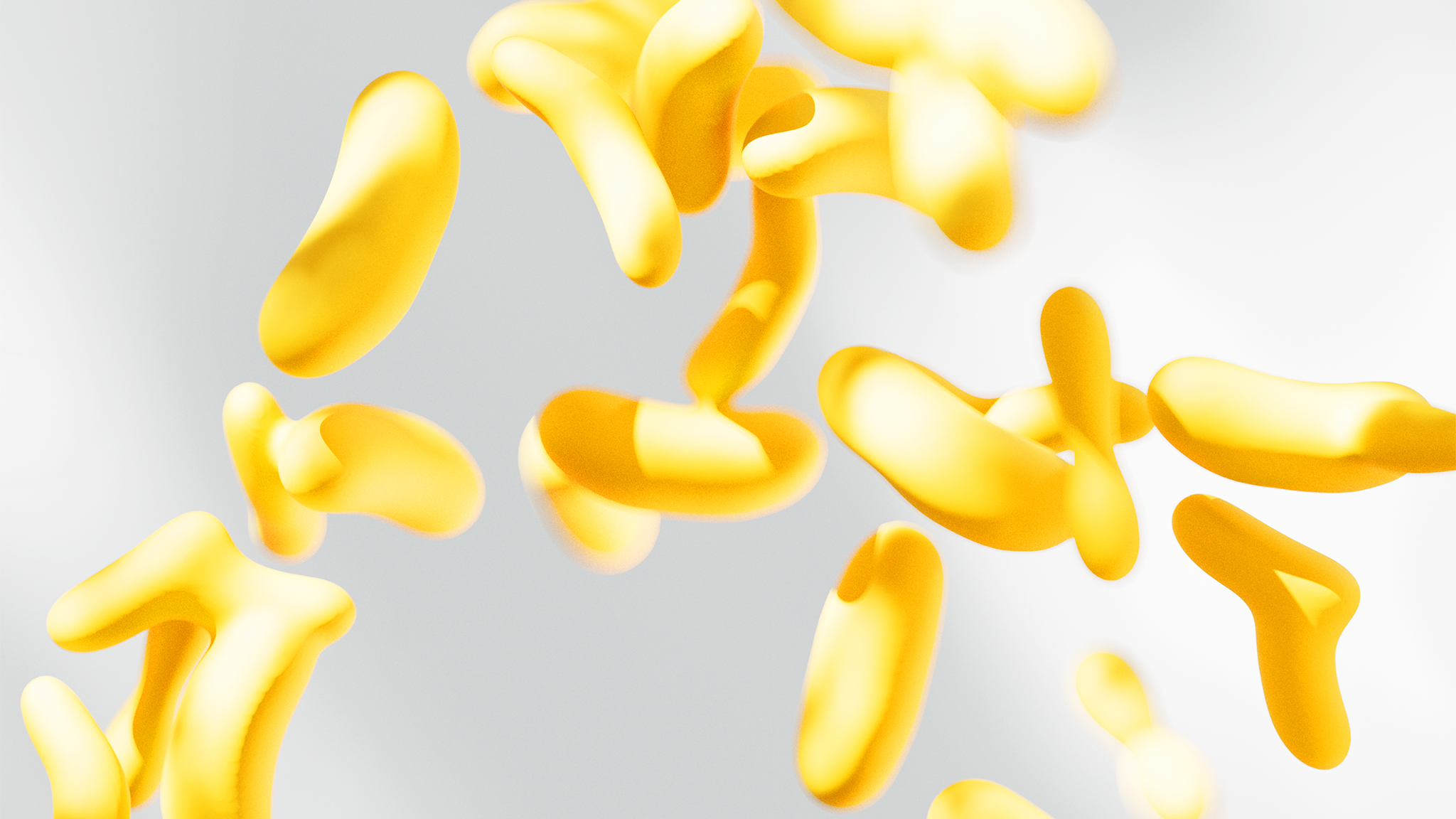
Biology, not farming, will feed the world
Industrial biotechnology, enabled by gas fermentation, allows food production to grow without expanding agriculture. However, producing food through gas fermentation is fundamentally a biological breakthrough, not an energy one. For the first time, there is a scalable, cost-modeled pathway for microbes to act as industrial food producers, converting electricity directly into edible protein. Renewable electricity is just a means to power the change.
“Microbes, of course, are nothing new in food. These invisible yet omnipresent life forms have been an integral part of Earth’s ecosystems since life first stirred in the ancient oceans. These microorganisms, far predating the emergence of plants and animals, have been the unsung heroes and foundational blocks of life as we know it. They have been used for ages in food production, for example lactic acid bacteria in producing yogurt and cheese, and yeast in producing bread or beer. But for the first time, microbes are not seen as a way to produce food – they are the food”, Pitkänen says.
While much of the field remains at the level of academic modelling or early experimentation, Solar Foods has moved decisively ahead. The microbe at the heart of Solein’s production, which belongs to the Xanthobacter family, was plucked from the rich biodiversity of Finland’s nature. The company has patented the unique microbe, perfect specifically for food production with a unique nutritional profile combining the best of animal-based and plant-based proteins.
“As revolutionary as it is, a microbe like Solein is not a rarity. Solein just happens to be the first this type of harvest presented for humanity. There are thousands of unique microbial species out there yet to be discovered, each with their own biological and functional properties”, Pitkänen says.
In the company’s first commercial-scale production facility Factory 01, the microbe is already doing the work traditionally done on farms, producing the same amount or protein daily as 300 dairy cows produce dairy protein with just a fraction of the environmental impact. This sets it apart in a sector where the rare few competitors are still relying on stock laboratory strains at pilot scale.
“Our microbe does all the heavy-lifting – producing the protein, fibre, and vitamins. Nothing needs to be added. No arable land, no forests, no pesticides, no animal suffering needed.”
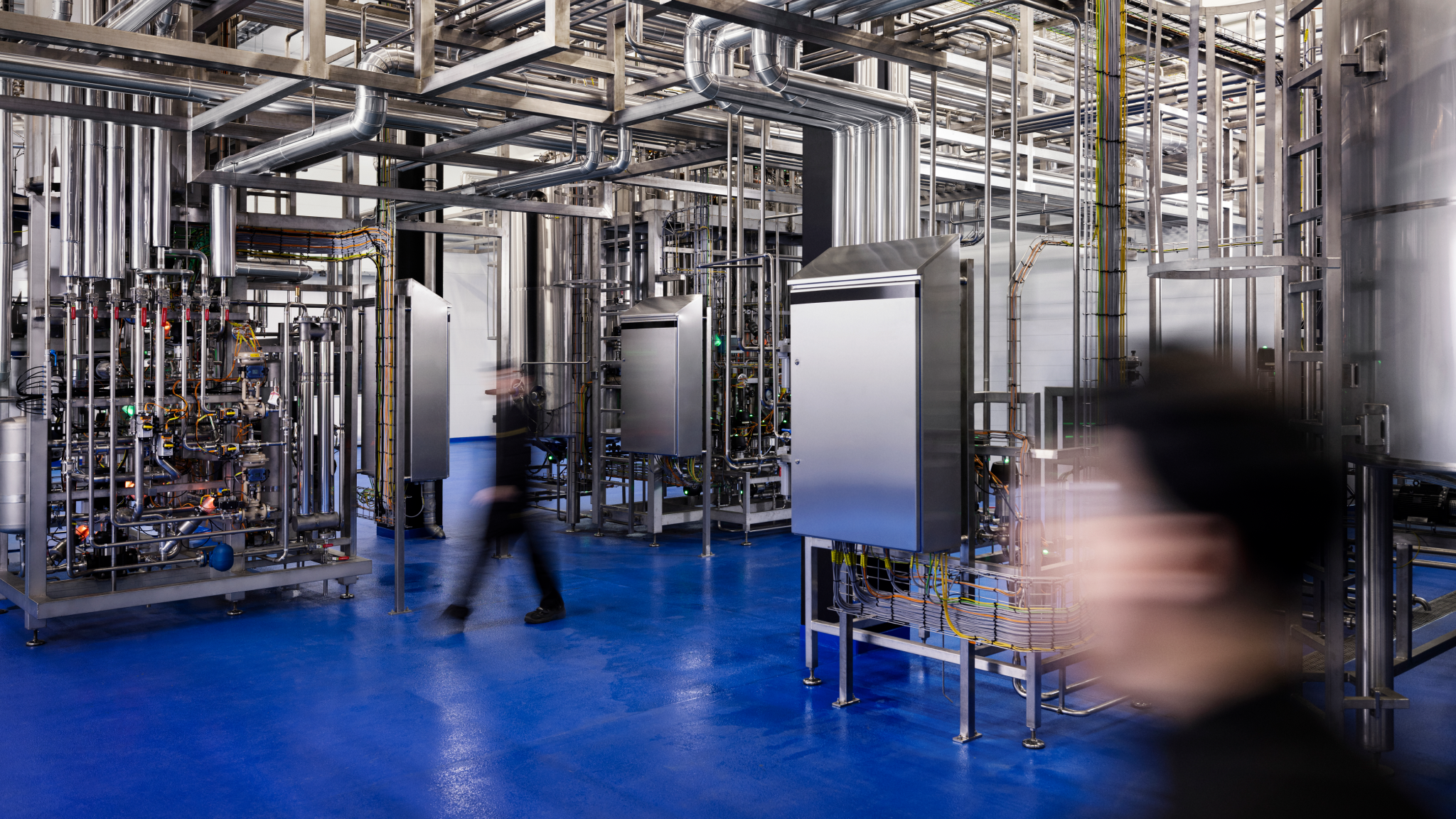
New food infrastructure with all-purpose ingredients, not single innovations
Gas fermentation technology changes the whole food production infrastructure: When food ingredients are produced in factories instead of fields and farms, food production behaves much more like energy or water infrastructure with continuous operation, predictable outputs, long asset lifetimes, and low marginal costs while built – offering the food industry an easily scalable, stable source of protein with steady quality and no price fluctuations.
However, it’s not enough to have scalable platform technology. To be able to feed billions, the ingredient has to be a platform ingredient, capable of being used across many product categories and formulated into multiple types of foods instead of being used in a single consumer product.
“Global food security won’t be solved by building better products or brands – it will be solved by building production capacity and creating volumes for all-purpose proteins like Solein, which can replace traditional proteins in virtually any food, usable across multiple food categories and applications instead of just a single product or category type”, Pitkänen says.
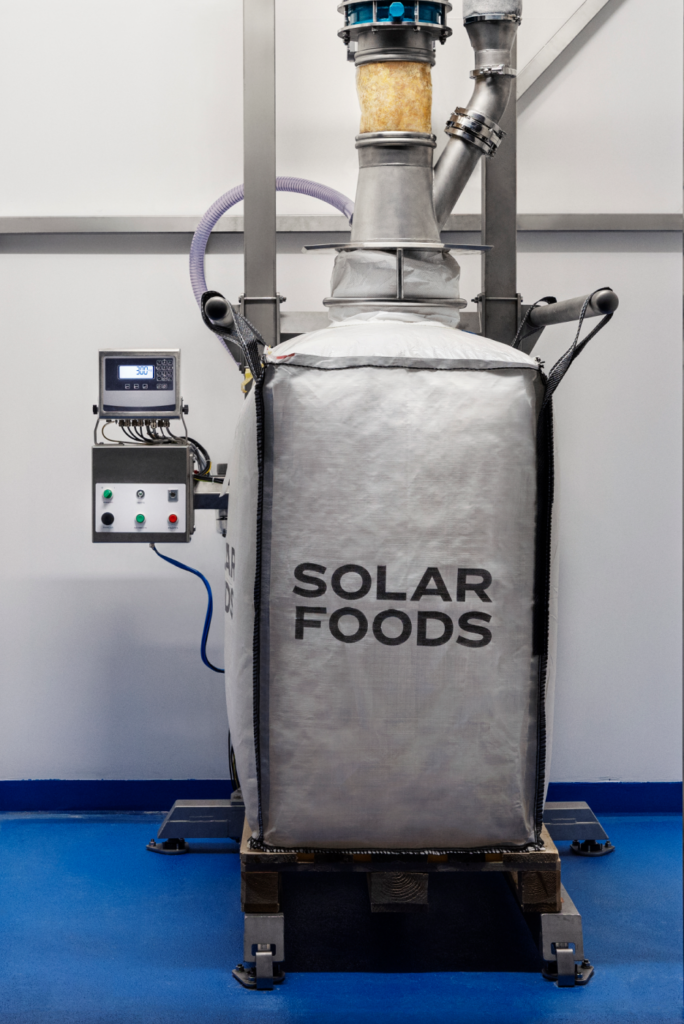
“Global food security won’t be solved by building better products or brands – it will be solved by building production capacity and creating volumes for all-purpose proteins like Solein, usable across multiple food categories.”
–Dr Juha-Pekka Pitkänen, Chief Scientific Officer and Co-founder of Solar Foods
A fundamental change to save the planet
As governments and food producers search for credible alternatives to conventional protein, gas fermentation and industrial biotechnology are moving rapidly from the margins to the mainstream. The transition from fields to fermenters is no longer theoretical: Solar Foods is already building the infrastructure, with the designing of the company’s first industrial-scale production facility, Factory 02, is well under way. Factory 02 will scale Solein’s production capacity from Factory 01’s 160 tons to 6,400 tons annually. This is not yet enough to feed the world: the company is also planning a global network of Solein factories.
“Biology, not farming, will feed the future. Microbes and gas fermentation offer one of the most scalable future food solutions available – capable of revolutionizing the food industry from within instead of placing the responsibility of choosing better products solely on consumers. It is beyond exciting to be a part the solution and of saving our planet”, Pitkänen concludes.